

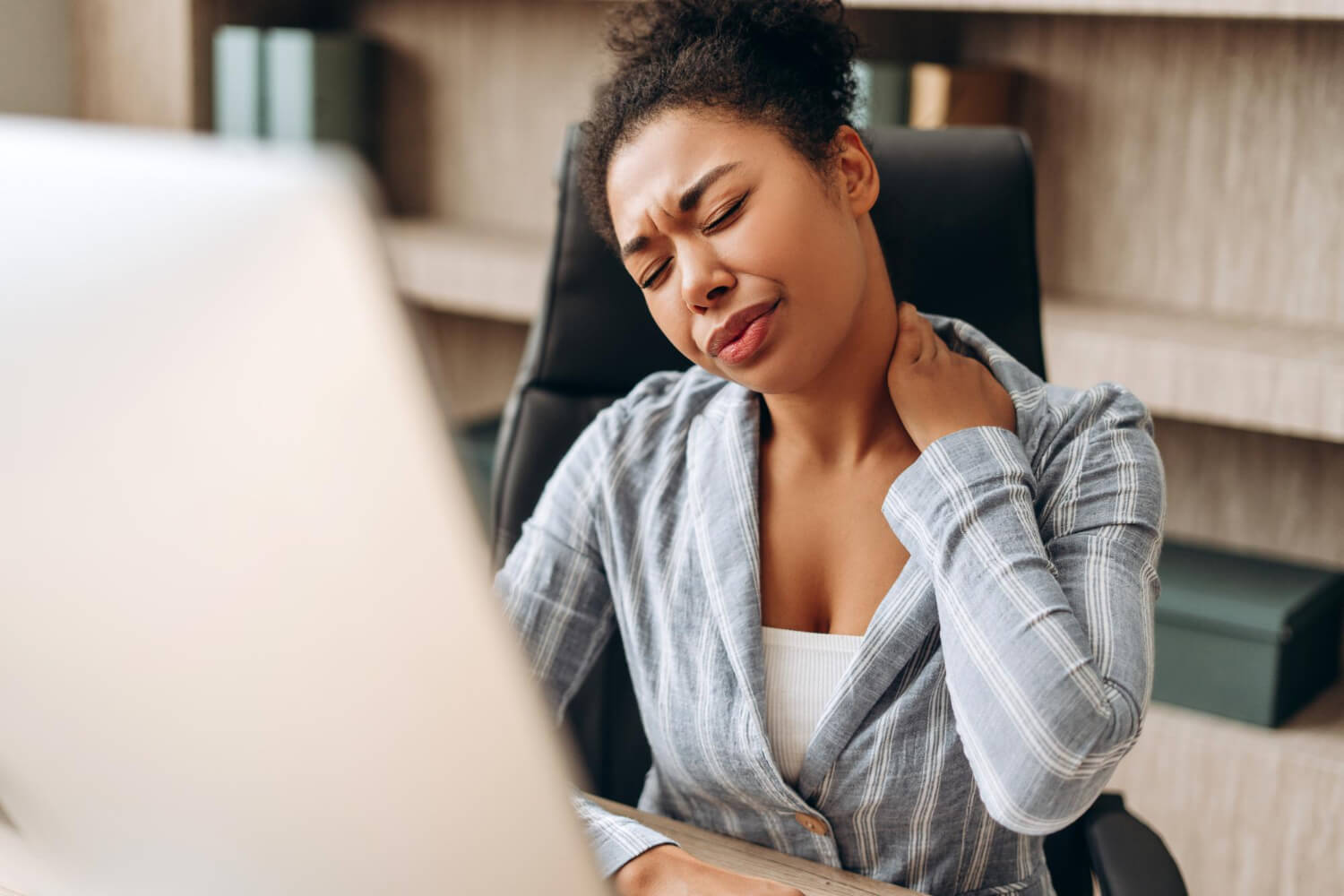
Chronic pain and mental health go hand in hand. The constant pain and discomfort can lead to depression, anxiety, and substance abuse, along with affecting sleep and your daily routine—further trapping you into a cycle of depression. According to the American Psychiatric Association, between 35-45% of people who suffer from chronic pain experience some level of depression.
So, how does depression increase sensitivity to pain and vice versa? In this blog, we will explore how to recognize the signs of chronic pain, understand the link between chronic pain and mental health, and implement strategies for mental wellness so you can get back to a life where you feel like yourself again.
Chronic Pain: What It Is, Causes, and Common Symptoms
Chronic pain is ongoing discomfort after an injury or illness that lasts longer than three months and shows minimal signs of healing. With regular acute pain, your body sends signals to your brain that something is wrong. With proper treatment and time, this pain typically diminishes. Chronic pain, however, keeps sending pain signals to your nervous system even when the original injury or illness is gone.
Chronic pain can often stem from conditions like arthritis, fibromyalgia, migraines, back problems, nerve damage, and more. Common symptoms include:
- Persistent pain
- Aching, throbbing, or burning sensations
- Low energy
- Stiffness
- Irritability, anxiety, and depression
- Loss of regular interests
- Sleep problems
The Connection Between Chronic Pain & Mental Health
Chronic pain and mental health disorders often occur together and tend to make each other worse. Depression can heighten your sensitivity to pain, and living with constant pain can trigger or worsen depression, anxiety, and other mental health conditions. People struggling with chronic pain conditions like fibromyalgia, migraines, back problems, and arthritis often report physical pain along with mood disorders.
Chronic pain can affect the chemical connections in your brain, including the hormones serotonin and dopamine, which regulate your mood. These hormone levels drop, and your brain perceives pain more intensely. When your body is in pain and your motivation is low, it can take a toll on your life, resulting in a decline in your physical activities, hobbies, and social life, which creates a vicious cycle of depression and further pain.
Living with Chronic Pain: Strategies for Mental Wellness
The impact of chronic pain on mental health can create a vicious cycle, but breaking free from this cycle is possible with the right combination of lifestyle changes and treatments. For lasting relief, it is essential to treat both chronic pain and mental wellness.
Therapy: Talk therapy and physical therapy can be valuable parts of a treatment plan to help you better understand and work through your pain and mental health conditions, while developing coping strategies for your emotional and physical stressors.
Lifestyle changes: Engaging in a new hobby or light physical activity, such as walking or yoga, can help keep your body moving and boost the production of happy chemicals like dopamine, serotonin, and endorphins—further strengthening healthy neurotransmitter connections.
Proper nutrition: Without question, a balanced diet provides your body with the vitamins and minerals it needs to function properly. Eating well can help fight inflammation, support muscle relaxation, stabilize your mood, improve your sleep cycle, and give you energy to conquer the day.
Proper sleep: Creates a healthy sleeping habit to allow your body and mind to repair themselves and further stabilize your mood and pain.
How Ketamine Therapy Can Help
Ketamine therapy is a promising treatment option for treating chronic pain as it works differently from traditional treatments like opioids or antidepressants. Ketamine works by targeting the glutamate neurotransmitter, which is responsible for how your nervous system processes pain signals. By blocking NMDA receptors, ketamine interrupts the overactive areas of the brain that process pain.
This allows for other parts of the brain to take over and reduces how pain is perceived. Pain signals are then processed more normally, and your sensitivity to pain decreases over time.
According to a study in 2023 by Canadian Journal of Health Technologies, about 50% of patients who receive ketamine therapy for chronic pain experience lasting relief from their symptoms. Many patients experience relief for 12 full weeks, and many reports show that as little as one treatment can provide lasting relief. On the bright side, ketamine also has minimal side effects compared to other traditional treatment options. Learn more about how ketamine therapy can help chronic pain.
References
- Ketamine Therapy for Chronic Pain – Glenwood Springs Ketamine Clinic https://glenwoodspringsketamine.com/ketamine-therapy-for-chronic-pain/
- Chronic Pain and Mental Health Often Interconnected – American Psychiatric Association https://www.psychiatry.org/news-room/apa-blogs/chronic-pain-and-mental-health-interconnected
- Pain and Depression: Is There a Link? – Mayo Clinic FAQ https://www.mayoclinic.org/diseases-conditions/depression/expert-answers/pain-and-depression/faq-20057823
- Sleep Deficiency and Chronic Pain: Potential Underlying Mechanisms and Clinical Implications – Neuropsychopharmacology https://www.mayoclinic.org/diseases-conditions/depression/expert-answers/pain-and-depression/faq-20057823
Recent Comments